eKhSuir

Інституційний репозитарій Херсонського державного університету

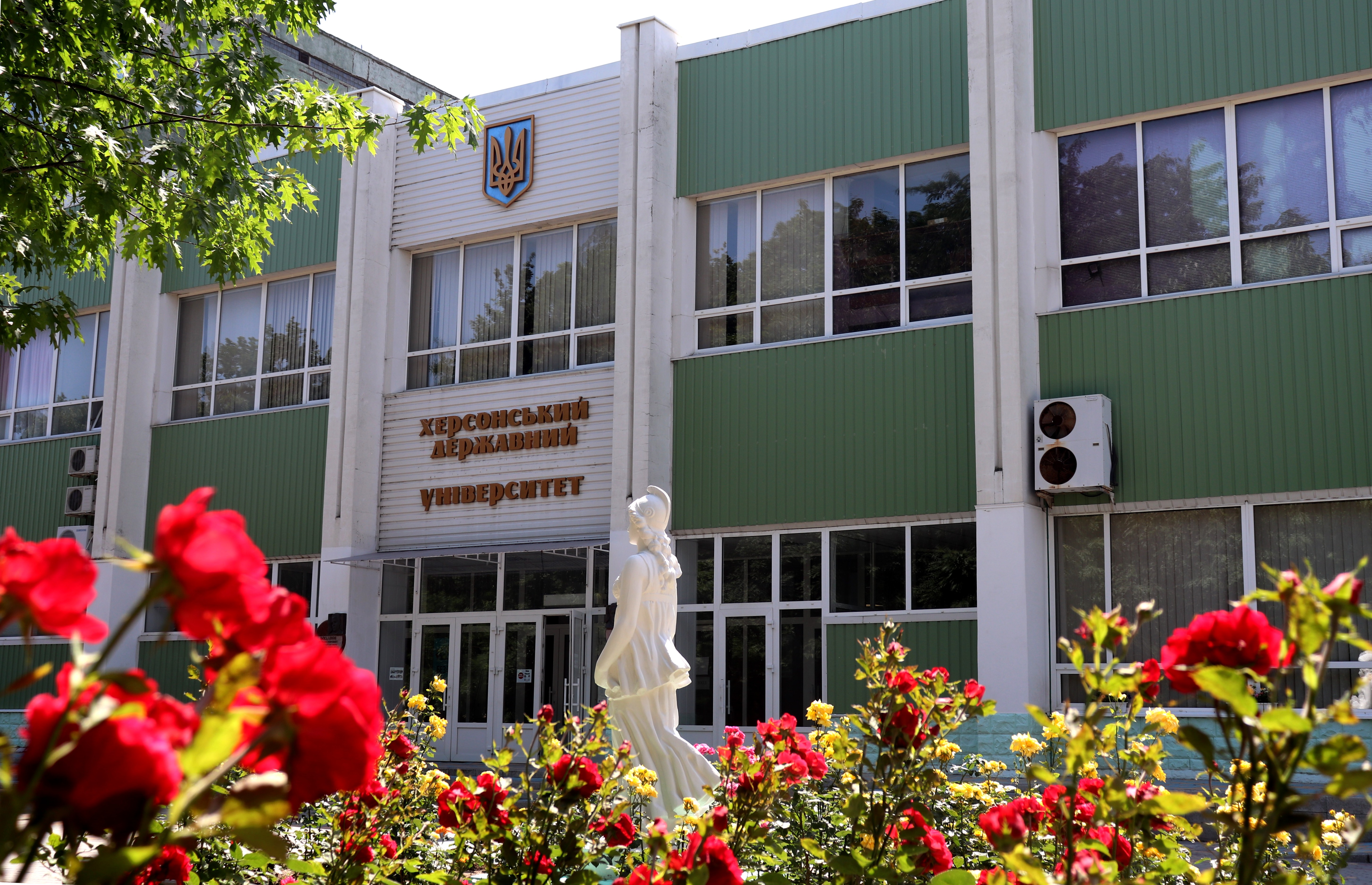
Ласкаво просимо до eKhSuir — електронного сховища наукових, навчальних і методичних напрацювань Херсонського державного університету. Репозитарій створений з метою накопичення, збереження та надання відкритого доступу до результатів інтелектуальної діяльності викладачів, дослідників, здобувачів вищої освіти та співробітників ХДУ.

У eKhSuir розміщуються:

  • наукові статті, тези доповідей, звіти про дослідження;
  • дисертації, автореферати, кваліфікаційні та дипломні роботи;
  • навчальні посібники, методичні матеріали, презентації;
  • публікації у збірниках та матеріали конференцій.

Мета репозитарію — забезпечити довготривале зберігання та вільний онлайн-доступ до науково-освітніх ресурсів університету, сприяти академічній прозорості, поширенню знань, розвитку відкритої науки та популяризації результатів досліджень серед української та міжнародної наукової спільноти.

Репозитарій працює на базі програмного забезпечення DSpace та підтримується Науковою бібліотекою ХДУ.
 

Recent Submissions

Item
ЗОБРАЖЕННЯ ВІЙНИ В ЕСЕ КАТЕРИНИ МИЩЕНКО: ЛІНГВІСТИЧНИЙ АНАЛІЗ = DARSTELLUNG DES KRIEGES IN ESSAYS VON KATERYNA MISHCHENKO: EINE LINGUISTISCHE ANALYSE = THE REPRESENTATION OF WAR IN THE ESSAYS OF KATERYNA MISHCHENKO: A LINGUISTIC ANALYSIS
(2026) Kovbasyuk L. A.; Ковбасюк Л.А.
Der vorliegende Beitrag befasst sich mit der Forschung der sprachlichen Repräsentation des Krieges in der Ukraine in zwei Essays von ukrainischer Autorin Kateryna Mishchenko, „Nebeneinander“ (2025) und „Spiegel der Seele“ (2023), die ins Deutsche übersetzt worden sind. Die Erforschung der Darstellung des Krieges in verschiedenen Medien ist von hoher gesellschaftlicher Relevanz und wissenschaftlicher Aktualität. Im Zentrum der Studie steht die Frage, wie unterschiedliche sprachliche Mittel genutzt werden, um die Erfahrung eines gegenwärtigen, technologisch geprägten und zugleich existenziellen Russlands Vernichtungskrieges gegen die Ukraine anschaulich und emotional wiederzuspiegeln. Die Studie ist methodologisch in Ansätze der Literatur- und Sprachwissenschaft eingebettet, die sich mit der Darstellung von Krieg und Gewalt in moderener Literatur bzw. Publizistik auseinandersetzen. Die Rede ist von einem integrativen methodischen Ansatz, der narratologische Nalyse mit sprachwissenschaftlichen Verfahren wie die kritische Diskursanalyse, die kognitive Metaphertheorie und die kognitive Metonymietheorie kombiniert. Die wissenschaftliche Forschung konzentriert sich auf drei wesentliche Aufgaben: 1) Wie wird Krieg sprachlich und narrativ repräsentiert? 2) Welche Rolle spielen Metaphern, Metonymien, Vergleiche und Epitheta? 3) Gibt es bei Mishchenko neue Formen der Kriegsdarstellung? Nach einer kurzen Darstellung der theoretischen Grundlagen werden die Essays analysiert und interpretiert. Die Analyse zeigt, dass die Autorin den Krieg nicht als lineares Ereignis, sondern als fragmentierte, simultane Realität inszeniert, die sich zwischen Alltag und Ausnahmezustand entfaltet. Besondere Aufmerksamkeit gilt der Rolle von Sprache, Metaphern, Menonymien, Verglei chen ect. Der Beitrag zeigt, dass Mishchenkos Texte eine neue Form der Kriegsdarstellung etablieren, die Zeugenschaft, Reflexion und poetische Verdichtung miteinander verbindet. Der Beitrag eröffnet Perspektiven für vergleichende Studien zu Medialität in der ukrainischen und europäischen Literatur. Ця стаття присвячена дослідженню мовного відображення війни в Україні у двох есе українських авторки Катерини Міщенко — «Поряд» (2025) та «Дзеркало душі» (2023), які були перекладені німецькою мовою. Дослідження зображення війни в різних засобах масової інформації має велике суспільне значення та наукову актуальність. У центрі дослідження стоїть питання, як використовуються різні мовні засоби для того, щоб яскраво й емоційно відобразити досвід сучасної, технологічно обумовленої й водночас екзистенційної війни Росії на знищення проти України. З методологічної точки зору дослідження ґрунтується на підходах літературознавства та лінгвістики, що досліджують зображення війни та насильства в сучасній літературі та публіцистиці. Йдеться про інтегративний методологічний підхід, який поєднує наратологічний аналіз із лінгвістичними методами, такими як критичний аналіз дискурсу, когнітивна теорія метафор та когнітивна теорія метонімії. Наукове дослідження зосереджується на трьох основних завданнях: 1) Як війна представлена в мові та наративі? 2) Яку роль відіграють метафори, метонімії, порівняння та епітети? 3) Чи існують у Міщенка нові форми зображення війни? Після короткого викладу теоретичних засад есе аналізуються та інтерпретуються. Аналіз показує, що авторка зображує війну не як лінійну подію, а як фрагментовану, одночасну реальність, яка розгортається між повсякденністю та надзвичайним станом. Особлива увага приділяється ролі мови, метафор, метонім, порівнянь тощо. Стаття демонструє, що тексти Міщенко встановлюють нову форму зображення війни, яка поєднує свідчення, рефлексію та поетичне ущільнення. Ця стаття відкриває перспективи для порівняльних досліджень медіальності в українській та європейській літературі. This article examines the linguistic representation of the war in Ukraine in two essays by the Ukrainian author KaterynaMishchenko, “Nebeneinander” (2025) and “Spiegel der Seele” (2023), which have been translated into German. Researchinto the portrayal of war in various media is of great social relevance and academic topicality. At the heart of the study liesthe question of how different linguistic devices are employed to vividly and emotionally reflect the experience of Russia’scurrent, technologically driven and, at the same time, existential war of annihilation against Ukraine. Methodologically,the study is grounded in approaches from literary studies and linguistics that examine the representation of war and violencein modern literature and journalism. It employs an integrative methodological approach that combines narratologicalanalysis with linguistic methods such as critical discourse analysis, cognitive metaphor theory and cognitive metonymytheory. The academic research focuses on three key questions: 1) How is war represented linguistically and narratively?2) What role do metaphors, metonymies, comparisons and epithets play? 3) Does Mishchenko employ new forms of warrepresentation? Following a brief overview of the theoretical foundations, the essays are analysed and interpreted. Theanalysis shows that the author portrays the war not as a linear event, but as a fragmented, simultaneous reality that unfoldsbetween everyday life and a state of emergency. Particular attention is paid to the role of language, metaphors, menonymy, comparisons, etc. The article argues that Mishchenko’s texts establish a new form of war representation that combinestestimony, reflection and poetic condensation. The article opens up perspectives for comparative studies on mediality inUkrainian and European literature.
Item
PERSONENBEZEICHNUNGEN IN DER DEUTSCHEN POLITISCHEN SPRACHE: PRAGMATISCHE FUNKTIONEN = НАЗВИ ОСІБ В НІМЕЦЬКІЙ ПОЛІТИЧНІЙ МОВІ: ПРАГМАТИЧНІ ФУНКЦІЇ
(2026) Kovbasyuk L.A.; Ковбасюк Л.А.
Der vorliegende Artikel befasst sich mit der Untersuchung der pragmatischen Funktionen von Personenbezeichnungen in der deutschen politischen Sprache im Kontext des russischen Angriffskriegs gegen die Ukraine. Die Erforschung dieser Personenbezeichnungen in der aktuellen politischen Sprache ist von hoher gesellschaftlicher Relevanz und wissenschaftlicher Aktualität. Die öffentliche Kommunikation zum russischen Angriffskrieg gegen die Ukraine findet in einer verdichteten Medienumgebung statt, in der Nachrichten, Stellungnahmen und digitale Plattformen miteinander verschmelzen. Ziel der Studie ist die Identifizierung und Untersuchung metaphorischer und metonymischer Personenbezeichnungen. Die wissenschaftliche Analyse konzentriert sich auf drei wesentliche Aufgaben: 1) die Erstellung eines vielfältigen Korpus von Personenbezeichnungen, 2) die Klassifikation ausgewählter Einheiten und 3) die Analyse der pragmatischen Funktionen. Die Untersuchung basiert auf einem integrativen methodischen Ansatz, der sprachwissenschaftliche Verfahren wie die kritische Diskursanalyse, die kognitive Metaphertheorie und die kognitive Metonymietheorie kombiniert, um die Verwendung und Funktionen der Personenbezeichnungen in deutschen Pressetexten zu analysieren. Das eigens erstellte Korpus umfasst 470 Pressetexte mit einem Gesamtumfang von rund 450.000 Wörtern aus dem Zeitraum von Februar 2022 bis März 2026. Nach einer Darstellung der theoretischen Grundlagen werden die Belege analysiert und die Einheiten gruppiert. Die Untersuchung zeigt, wie Personenbezeichnungen eingesetzt werden, um politische Akteure zu charakterisieren, zu bewerten oder bestimmte Einstellungen zu vermitteln. Abschließend werden Perspektiven für zukünftige Studien aufgezeigt. У статті досліджуються прагматичні функції назв осіб у німецькій політичній мові в контексті російської війни проти України. Вивчення позначення людини у сучасній політичній мові має велике суспільне значення та наукову актуальність. Публічна комунікація щодо російської війни проти України відбувається в насиченому медіа-середовищі, де новини, коментарі та цифрові платформи становлять єдине ціле. Метою дослідження є ідентифікація метафоричних та метонімічних назв осіб та вивчення їхніх прагматичних функцій. Науковий аналіз зосереджується на трьох основних завданнях: 1) створенні різноманітного корпусу позначень осіб, 2) класифікації вибраних одиниць та 3) аналізі прагматичних функцій. Дослідження базується на багатоаспектному методологічному підході, що поєднує такі лінгвістичні методи, як критичний дискурсивний аналіз, а також когнітивну теорію метафор та когнітивну теорію метонімії, з метою аналізу використання та функцій позначень осіб у німецьких публіцистичних текстах. Спеціально створений корпус охоплює 470 публіцистичних текстів за період з лютого 2022 року по березень 2026 року та має загальний обсяг близько 450 000 слів. Викладення теоретичних засад доповнюється аналізом прикладів та класифікацією одиниць вивчення. Дослідження показує, як певні назви осіб використовуються для характеристики політичних діячів, їхньої оцінки або передачі певних поглядів. На завершення наводяться перспективи для подальших досліджень.
Thumbnail Image
Item
НОВІТНІ СТУДІЇ КОНЦЕПТУ «ВІЙНА» В СУЧАСНОМУ МОВОЗНАВСТВІ = THE LATEST STUDIES OF THE CONCEPT “WAR” IN MODERN LINGUISTICS
(2026) Ковбасюк Л. А.; Kovbasyuk L. A.
Наукову розвідку присвячено огляду новітніх студій концепту ВІЙНА в сучасному вітчизняному та зарубіжному мовознавстві. Матеріалом нашого дослідження послугували наукові доробки вітчизняних та зарубіжних лінгвістів за останні десять років. У статті головну увагу сфокусовано на виконанні таких завдань: 1) визначення терміну «лінгвокультурний концепт», 2) відбір вагомих студій, присвячених війні та її відображенню у мові, 3) аналіз новітніх наукових робіт українських та зарубіжних дослідників у різних галузях мовознавства за останні десять років та 4) встановлення перспективних напрямів майбутніх наукових пошуків. У статті висвітлено лінгвокультуро-логічне визначення концепту та розкрито особливості його структури. Визначено, що лінгвокультурний концепт ВІЙНА пропонується аналізувати у сучасній лінгвістиці ґрунтуючись на комплексній методиці, що поєднує аналіз словникових дефініцій, етимологічний аналіз ключового слова-імені концепту, побудову лексико-фразеологічного поля ключового слова, аналіз синонімічних одиниць ключового слова, метод контекстуального аналізу, метафо-ричного аналізу, асоціативний експеримент тощо. Виділено основні напрями дослідження концепту ВІЙНА у сучас-ному вітчизняному мовознавстві та висвітлено наукові доробки, проведені у межах цих напрямів. Встановлено, що наукові розвідки щодо концепту ВІЙНА відбуваються у площині когнітивної лінгвістики, дискурсивної лінгвіс-тики, еколінгвістики та медіалінгвістики. У статті здійснено аналіз робіт зарубіжних науковців. Визначено, що закордонні мовознавці займаються здебільшого загальнотеоретичними дослідженнями концепту ВІЙНА у межах лінгво-філософського напряму, а також контрастивним аналізом різнопланових дискурсів на матеріалі різних мов. Виявлено, що з початком повномасштабної війни у закордонних університетах розпочато наукові проєкти щодо вивчення воєнного дискурсу, метою яких є укладання глосаріїв. До найбільш перспективних напрямів наукового пошуку можна віднести вивчення концепту ВІЙНА у площині еколінгвістики та медіалінгвістики. The paper aims to review the latest studies on the concept of WAR in modern domestic and foreign linguistics. The materials for our research were scientific works by domestic and foreign linguists from the past ten years. The article focuses on the following main tasks: 1) defining the term "linguo-cultural concept", 2) selecting significant studies devoted to war and its reflection in language, 3) analyzing the latest scientific works by Ukrainian and foreign researchers in various fields of linguistics over the past ten years, and 4) identifying perspective directions for future scientific research. The article highlights the linguistic and cultural definition of the concept and reveals the peculiarities of its structure. It has been determined that the linguistic and cultural concept of WAR should be analyzed in modern linguistics using a complex methodology that combines the analysis of dictionary definitions, etymological analysis of the keyword representing the concept, construction of the lexical-phraseological field of the keyword, analysis of synonymous units, contextual analysis, metaphorical analysis, associative experiments, etc. The main research areas of the concept of WAR in modern domestic linguistics are highlighted, and the scientific developments within these areas are emphasized. It has been established that scientific research on the concept of WAR is conducted in the fields of cognitive linguistics, discursive linguistics, ecolinguistics, and media linguistics. The article analyzes the works of foreign scientists. It has been determined that foreign linguists are primarily engaged in general theoretical studies of the concept of WAR within the linguistic and philosophical domain, as well as contrastive analysis of various discourses based on materials from different languages. It has been revealed that full-scale wars have prompted scientific projects on the study of military discourse in foreign universities, with the goal of compiling glossaries. The perspectives of scientific research include the study of the concept of WAR in the field of ecolinguistics and media linguistics.
Thumbnail Image
Item
МОВНЕ ВІДОБРАЖЕННЯ ЕКОЦИДУ У НІМЕЦЬКИХ ЗАСОБАХ МАСОВОЇ ІНФОРМАЦІЇ (НА ПРИКЛАДІ ВИБУХУ НА КАХОВСЬКІЙ ГЕС) = LANGUAGE REPRESENTATION OF ECOCIDE IN THE GERMAN MASS MEDIA (BASED ON THE EXPLOSION MATERIAL OF KAKHOVKA HPP)
(2026) Ковбасюк Л. А.; Kovbasyuk L. A.
Наукову розвідку присвячено мовній репрезентайції концепту ЕКОЦИД в німецьких електронних мас-медіа після підриву греблі Каховської ГЕС. Матеріалом нашого дослідження слугували 115 мовних одиниць, відібраних із журналу Spiegel й газет Welt та Zeit з 6 червня по 30 листопада 2023 р. У статті головну увагу наукової розвідки сфокусовано на виконанні таких завдань: 1) становлення концепту ЕКОЦИД, 2) відбір різнопланових мовних одиниць для формування корпусу дослідження та 3) структурно-семантичний й функціональний аналіз мовного матеріалу. Основними методами наукового пошуку стали: 1) контент-аналіз дібраних публікацій для визначення мовних засобів відображення концепту ЕКОЦИД у німецьких мас-медіа, 2) концептуальний аналіз для виявлення змісту концепту та виокремлення наявних моделей метафоризації екоциду в німецьких мас-медіа, 3) лексикографічний аналіз словникових дефініцій та 4) лексикографічний опис для визначення тематичних груп мовного відображення концепту, а також 5) компонентний аналіз для відстеження структурно-семантичних ознак лексики, вживаної після підриву греблі Каховської ГЕС та впорядкування вербалізаторів концепту ЕКОЦИД. У статті висвітлено історичний ракурс становлення концепту ЕКОЦИД та наголошено на лінгвокультурологічному аспекті його дослідження. Визначено, що концепт ЕКОЦИД репрезентується у німецьких мас-медіа різноплановими мовними одиницями. Виділено основні групи проаналізованих одиниць, а саме слова та словосполучення. Висвітлено їхню семантику та структуру Встановлено, що певна частина одиниць корпусу є метафорами. У статті здійснено аналіз встановлених метафор з урахуванням здобутків когнітивної лінгвістики. Визначено, що одиниці дослідження виконують певні прагматичні функції у певному контексті. Проведено ґрунтовний аналіз функціонування проаналізованих одиниць на сторінках журналу Spiegel та газети Zeit. До найбільш перспективних напрямів наукового пошуку можна віднести контрастивне дослідження мовної репрезентацї концепту ЕКОЦИД у німецькій та українській мовах. The paper aims to investigate the linguistic representation of the concept of ECOCIDE in German mass media after the explosion of the Kakhovska HPP dam. The material for our research consists of 115 linguistic units selected from the Spiegel magazine, Welt newspaper and Zeit newspaper from June 6 to November 30, 2023. The main focus of the scientific investigation in the article is on accomplishing the following tasks: 1) the formation of the ECOCIDE concept, 2) the selection of different linguistic units to form the research corpus, and 3) the structural-semantic and functional analysis of linguistic material. The main research methods include: 1) content analysis of selected publications to determine the linguistic means of reflecting the concept of ECOCIDE in German mass media, 2) conceptual analysis to identify the content of the concept and extract existing models of metaphorization of ecocide in German mass media, 3) lexicographic analysis of dictionary definitions, and 4) lexicographic description to determine the thematic groups of linguistic representation of the concept, as well as 5) component analysis to trace the structural-semantic features of the vocabulary used after the collapse of the dam of the Kakhovka Hydroelectric Power Station and organize verbalizers of the concept of ECOCIDE. The article highlights the historical perspective of the formation of the ECOCIDE concept and emphasizes the linguocultural aspect of its study. It is determined that the ECOCIDE concept is represented in German mass media by diverse linguistic units, with the main groups being words and phrases. Their semantics and structure are outlined, and it is established that a certain portion of the corpus units are metaphors. The article analyzes the identified metaphors considering the achievements of cognitive linguistics. It is determined that the research units perform specific pragmatic functions in a certain context. A thorough analysis of the functioning of the analyzed units on the pages of Spiegel magazine and Zeit newspaper is conducted. Among the most promising directions for further research, a contrastive study of the linguistic representation of the ECOCIDE concept in German and Ukrainian languages can be highlighted.
Thumbnail Image
Item
ІНТЕРВ’ЮВАННЯ СВІДКІВ: УСНА ІСТОРІЯ ЯК ІНСТРУМЕНТ ДОКУМЕНТУВАННЯ РОСІЙСЬКИХ ЗЛОЧИНІВ У ХЕРСОНІ В ПОСТОКУПАЦІЙНИЙ ПЕРІОД = INTERVIEWING WITNESSES: ORAL HISTORY AS A TOOL FOR DOCUMENTING RUSSIAN CRIMES IN KHERSON DURING THE POSTOCCUPATION PERIOD
(2026) Черемісін О.В.; Cheremisin O. V.; Михайленко Г.М.; Mykhailenko H.M.
У статті досліджено можливості застосування методології усної історії для документування російських воєнних злочинів у Херсоні в постокупаційний період. Основну увагу зосереджено на феномені системного вогневого впливу на цивільний простір міста, який сформувався після його деокупації в листопаді 2022 р. та характеризується комплексним застосуванням російськими військами артилерії, мінометів, авіаційних засобів ураження і безпілотних літальних апаратів. Обґрунтовано необхідність розглядати зазначені форми насильства як взаємопов’язані складові тривалого режиму вогневого контролю цивільного простору, що визначає повсякденне життя населення, трансформує соціальні практики та змінює просторову організацію міського середовища. Розкрито теоретико-методологічний потенціал усноісторичного інтерв’ювання як інструменту фіксації індивідуального досвіду, реконструкції обставин воєнного насильства та формування систематизованого корпусу історичних джерел. Визначено основні аналітичні виміри усноісторичного дослідження: просторовий, часовий, соціальний, психологічний, інфраструктурний, політико-управлінський та наративний. Особливу увагу приділено можливостям використання свідчень цивільного населення для відтворення повсякденних практик виживання, адаптації до постійної загрози, трансформації житлового простору, функціонування горизонтальних мереж взаємодопомоги та зміни сприйняття міського середовища. Обґрунтовано значення джерелознавчої критики усноісторичних матеріалів, уточнення просторово-часових параметрів зафіксованих подій, перехресної перевірки свідчень, дотримання принципів інформованої згоди, транскрибування, тематичної індексації та архівного збереження інтерв’ю. Доведено, що систематизовані усноісторичні матеріали мають довготривалу наукову, меморіальну та потенційну правову цінність, оскільки забезпечують документування досвіду цивільного населення, створюють джерельну основу для історичної реконструкції сучасної війни та розширюють можливості міждисциплінарного дослідження російських злочинів проти цивільного населення Херсона. The article examines the possibilities of applying oral history methodology to the documentation of Russian war crimes in Kherson during the post-occupation period. The main focus is on the phenomenon of systematic firepower impact on the city's civilian space, which emerged after its liberation in November 2022 and is characterized by the combined use of artillery, mortars, aerial weapons and unmanned aerial vehicles by Russian forces. The article substantiates the need to interpret these forms as interconnected components of a prolonged regime of fire control over civilian space, which determines the everyday lives of the population, transforms social practices and changes the spatial organization of the urban environment. The theoretical and methodological potential of oral history interviewing is explored as a tool for recording individual experiences, reconstructing the circumstances of wartime violence and establishing a systematized corpus of historical sources. The principal analytical dimensions of oral history research are identified, including spatial, temporal, social, psychological, infrastructural, political-administrative and narrative dimensions. Particular attention is paid to the use of civilian testimonies to reconstruct everyday survival practices, adaptation to permanent threats, the transformation of residential spaces, the functioning of horizontal mutual assistance networks and changes in the perception of the urban environment. The article substantiates the importance of source criticism of oral history materials, verification of the spatial and temporal parameters of recorded events, cross-checking of testimonies, and compliance with the principles of informed consent, transcription, thematic indexing and archival preservation of interviews. It is argued that systematized oral history materials possess long-term scholarly, commemorative and potential legal value, as they document the experiences of the civilian population, provide a source basis for the historical reconstruction of contemporary warfare and expand the possibilities for interdisciplinary research into Russian crimes against the civilian population of Kherson.